

On Monday morning, when you get up for work, you notice there is a little tickle in your throat, and you are just a wee bit more tired than usual. By Tuesday, that throat is full-out sore, your joints ache, and you really feel lousy.
It’s every marathon runner’s nightmare….trying to decide whether or not you’re sick enough to skip a day (or two or more) of training.
Is running while sick really that bad? Is there ever a time it’s definitely okay? How do you know when you’re too sick to run?
This post contains affiliate links. As an Amazon Associate I earn from qualifying purchases. Purchasing via these links gives me a small commission at no cost to you. Please see my privacy policy for more information.

Running While Sick: The Dilemma
You’ve worked hard to arrange your busy schedule in order to fit in all the workouts that make up your marathon training plan.
You set up an appointment with your running buddy, you’ve got the babysitter lined up, and you’ve shifted your lunch hour around. The last thing in the world you wanted is to get sick.
What to do? Is it true that working out can actually help fend off a cold or flu? You’re afraid if you slow down at all, your whole training cycle will fall apart.
It’s easy to think: Maybe if you ignore it and keep going full force, the whole thing will just go away!
The reality is, if you continue to exercise when you don’t feel well, you could end up missing even more days of your workout.
This article explains some common sense guidelines for trying to gauge when it is safe to keep running and when it is time to let the body rest. As always, check with your personal physician for clear guidance.

Should You Run With A Cold?
Some illnesses seem to stick around for a long time. Those winter colds, for example, are often followed up with days, or even weeks, of congestion and coughing. Does that mean days and weeks of no exercise? Not necessarily.
Exercising after a cold can actually help alleviate symptoms. Sometimes, for example, vigorous exercise can help open up nasal passages. Again, if you aren’t sure, the best advice is to follow the recommendations of a doctor.
Current research indicates that the dedicated exercises won’t have to worry as much about all of this as their less active counterparts. According to the American College of Sports Medicine, people who do moderate workouts on a regular basis experience fewer illnesses. Moderate workouts seem to actually boost the immune system.
Just make sure you wear appropriate winter running clothes so you don’t aggravate your illness if you are going running while sick.
What About Running With A Sore Throat?
Is your sore throat from allergies? If so, you’re probably okay to keep on running. Depending on where you live and how sensitive you are to environmental allergens you may wake up with a sore and scratchy throat quite often.
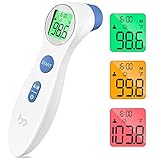
But if you want to go running with a sore throat that also has a fever, you’d best stay home. Running increases your core body temperature. So if you already have a fever, the last thing your body needs is to crank up the heat even more.
And if your sore throat is due to a strep infection, that’s another no-go for continuing your training. If you are on antibiotics for strep, it is definitely recommended that you don’t work out. Tell your physician you are training for a marathon, and ask for recommendations for returning to running as you recover.
Five tips for if you get sick during marathon training
- Rest is your friend. Taking a day or two off to rest completely– and I mean feet up on the couch watching Netflix or napping– may be what your body needs to nip the illness in the bud.
- Focus on staying well hydrated. Giving your body lots of nourishing foods like good old chicken soup can help speed your recovery.
- Watch for symptoms that your illness has moved into your chest. This is likely a sign that you’ll need medical intervention. A chest infection will sideline you for much longer than the common cold or even the flu.
- Remind yourself that you won’t lose all of the hard work of your marathon training in just a few days. So long as you’re recovered in less than a week, you’re likely fit enough to be able to pick up your training plan where you left off. Just dial back the intensity until you feel 100% again.
- Keep a positive attitude. Research shows that your attitude affects your immune system.
Taking The Body’s Cues
Generally speaking, it is wisest to follow the body’s cues when ill. If you are more tired than usual or have body aches or fever, your body is trying to tell you it needs to rest and get better. Running while sick may not be your best option!
To the untrained eye, symptoms of a very serious viral condition can look identical to milder illnesses. It is best to take no chances and always consult your physician.
If you do choose to work out when you are ill, it is important to keep your heart rate low, under 100 or 110 beats per minute. Easy to moderate walking and cross training with light weights is fine, as long as it feels fine to you.
Feeling lightheaded is a sure sign you’re doing too much. So is fast, heavy breathing with moderate work. Pay attention to the signals your body is sending!

When Working Out While Sick Can Actually Harm the Body
In fact, working out when ill could lead to some very serious problems, even for fit and healthy athletes.
We don’t know why this is, but some viruses that have settled in other parts of the body can move to the heart muscle if you exercise too much. This can cause viral cardiomyopathy, a very serious and sometimes fatal condition that weakens the heart muscle.
While it is true that conditions like this are somewhat rare, it is best to take no chances. And there are other important reasons to avoid a workout when you are sick: Illness and fatigue can cause us to relax our diligence about using good form when we exercise. Fatigue can also increase our level of clumsiness.
The last thing a marathon runner needs while training is to be sick and then have an injury or muscle strain from pushing too hard while fatigued! Recovering from injury will only set you back further!
Running While Sick: Final Thoughts
One of the unheralded benefits of marathon training is getting to know your body’s cues better. So even if you fall ill while training, trust yourself to know what your body needs so you can get back out on the road again.
Marathon training itself is stressful on the body. So pay attention to early warning signs that you might be getting sick, and dial in your nutrition and sleep. Preventing illness is a worthy goal!
When a cold or flu does come along–as it does for almost everyone sooner or later–it can be difficult to take care of ourselves in a world where a “tough it out” philosophy is much more accepted than “slow down.” Altering or stopping our usual workout routines when we are sick, however, and letting our bodies heal, is a real example of “less is more.”
Karen Shopoff Rooff is an ACE certified personal trainer and health coach with more than 20 years’ experience running marathons and ultramarathons. The Marathon Finish Line blog is for informational purposes. Please seek advice from a medical practitioner before engaging in a new fitness program.