

After 26.2 long and challenging miles, no marathon runner wants bloody nipples in his finisher photos.
The problem is that the bloody shirt caused by “runner’s nipple” is extremely common. And you don’t even have to have run a marathon for you to experience this painful situation!
This post contains affiliate links. As an Amazon Associate I earn from qualifying purchases. Purchasing via these links gives me a small commission at no cost to you. Please see my privacy policy for more information.

What is Runner’s Nipple?
One of the most common, and obviously one of the least talked about, problems facing runners is runner’s nipple. This is a condition where the nipple becomes inflamed due to constant rubbing against the shirt.
Also known as “jogger’s nipple” this condition frequently appears as a blood soaked running shirt at the end of a long training run, half-marathon, or marathon.
But you don’t have to be bloody in order to have chafed the sensitive skin. Many a runner has yelped in the post-run shower when he finds out his nipples have chafed while running.
Who Gets Jogger’s Nipple?
The affliction affects both male and female runners but seems to be more common in males. Men tend to wear looser fitting running tops, which means the fabric is more likely to pass across the nipple as the arms swing and rub the sensitive skin until it’s raw.
Female runners have sports bras as a tight-fitting layer to prevent nipple chafing from a loose, swinging top. The compression provided by a sports bra or bra top doesn’t allow for friction of skin against fabric.

There is a misconception that runner’s nipple is more common among people with more body fat, but this is false. It is a condition that affects people of all shapes and sizes, and levels of fitness.
Is Runner’s Nipple Dangerous?
Although not a serious ailment, Runner’s or Jogger’s Nipple can be just enough of a pest to cause a runner to stop their run. And because it is embarrassing for some to talk about, many runners just live with it and continue to run through the pain and irritation.
Left untreated, however, the chafing from Jogger’s Nipple can result in pain, infection, and ultimately time away from the sport. It’s similar to treating blisters from running— know the protocol!
Treatment for Sore or Bloody Nipples
Some cases of this condition can become quite serious and result in an open sore. If this is the case:
- clean the area thoroughly, but know that some soaps can cause dryness irritating the condition
- allow the area to dry
- an over the counter antibiotic cream might help prevent infection
- apply gauze until the area is healed.
If there is no open wound– meaning the skin is irritated but not bleeding– a lanolin-based cream can help keep the area moist and prevent further cracking.
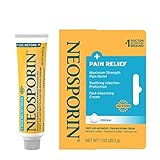

For long-distance runners who train countless miles every year, a remedy for runner’s nipple is a necessity. Prevention of it is an even better approach!
How to Prevent Runner’s Nipple
There are several approaches to preventing the chafing that causes bloody nipples. The most common methods are:
- trying different shirt materials
- lubricating the nipple with petroleum jelly
- using a liquid skin product over the nipple
- placing a band-aid over the nipple or placing two band-aids over the nipple in an X pattern
- using cut surgical adhesive tape
We will now look at these different methods so you can see which will work best for you on your next long run.
Clothing Choices to Prevent Runner’s Nipple
Some runners with sensitive skin will experience jogger’s nipple no matter what their fabric selection, but for others, a good clothing choice can alleviate the problem.
Some common poor clothing choices include:
- wearing a running shirt that is really loose and swings against the body as you run.
- wearing a cotton shirt that soaks up sweat, becoming heavy and rubbing against the nipple.
- wearing synthetic materials that are stiff and irritating.
- running in the rain without a wick-away layer.
Ideally, wear a running shirt that is neither too loose or super tight (like a unitard) and is made of sport material like Lycra or dry fit. Remember the goal is to prevent friction and chafing of the nipples.

- 90% Polyester / 10% Elastane. Material wicks sweat & dries really fast.
Preventing Bloody Nipples by Reducing Chafing
One of the tried-and-true methods of reducing nipple chafing while running is to use a product that reduces friction. The chafing reduction methods are preferred by men with hairy chests, as Band-Aid removal can be painful!
Petroleum jelly (like Vaseline) does this extremely effectively. While the petroleum jelly does a great job helping your skin slide against the fabric of your shirt, it’s not a perfect solution. Runners should note that often this method results in stains on your running shirt.
Body Glide is a popular brand of anti-chafing compound that works similarly to petroleum jelly. It is really easy to apply– no mess!– and you can reapply easily on the run.
Liquid bandage anti-chafing spray is a promising newer method of combating runner’s nipples. The spray delivery is easy to use, but some runners feel that they need to use a lot of it in order to feel fully protected.
Barrier Methods to Preventing Bloody Nipples
You’ve probably seen men at the starting line of races applying bandages to their nipples. Band-Aids are an inexpensive and quick solution for distance runners who are prone to bloody nipples.
The simplest and most efficient method for how to stop nipple chafing using a bandage barrier is as follows:
1. Take a band-aid and cut out the center pad. The band-aid will be sterile.
2. Throw the center pad away and keep the two-end adhesive pieces.
3. Cut the two end pieces to a size that fits over the nipple.
4. Cut it large enough to cover the nipple while erect due to friction.
5. Place one end piece over each nipple.
6. A strong adhesive band-aid is recommended.
At the end of your run, remove each of the pieces. Sweating should allow the runner to remove the pieces without much discomfort or irritation.
It may seem counterintuitive to cut out the pad of the band aid. Remember, though, you are trying to reduce friction against the skin. You need the barrier of the adhesive part of the Band-Aid, not the pad which would be loose and potentially cause chafing.

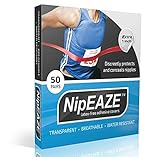
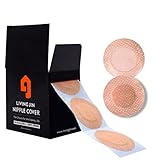
There are even special bandages especially designed for runners who suffer from nipple chafing. They have strong adhesive but are cut the right size to make removal less painful.
Are marathon runners the only athletes at risk?
Cyclists, walkers, rowers, weightlifters, and outdoor workers can also fall prey to this irritating but seldom discussed affliction. Anyone who engages in endurance events or exercises in hot, humid environments is susceptible. Nipple chafing is an embarrassing but easily preventable problem.
Karen Shopoff Rooff is an ACE certified personal trainer and health coach with more than 20 years’ experience running marathons and ultramarathons. The Marathon Finish Line blog is for informational purposes. Please seek advice from a medical practitioner before engaging in a new fitness program.