

Shin splints are one of the most common injuries runners face. They are especially common in new marathoners or other runners building up distance for the first time.
Before we determine whether running with shin splints is a good idea or not, let’s make sure we know exactly what we’re talking about and how and why runners suffer from this nasty irritation.
This post contains affiliate links. As an Amazon Associate I earn from qualifying purchases. Purchasing via these links gives me a small commission at no cost to you. Please see my privacy policy for more information.

What do shin splints feel like?
Runners with shin splints complain of pain in the lower leg, usually just inside (medial to) the lower leg bones. The pain can range anywhere from “just feeling tender” to “pain with every step.”
Understanding the difference between sore and pain is important for any runner.
If you feel pain while running but it stops when you’re done with your workout, your case is likely mild. (Always consult a sports doc for an actual diagnosis!) Ice your shins, and pray you caught it early!
If the pain persists even after your workout and/or you have swelling in your lower leg, your shin splints are likely more severe.
Regardless of whether shin splints feel like a dull ache in the front (anterior) lower leg that’s hard to pinpoint or like you’ve been kicked square in the shin, they are an annoying injury that plagues many runners.
Why do I get shin splints when I run?
If you’ve ever asked yourself (or, better yet, a sports doc): “Why do I get shin splints when I run?” you probably found an answer that didn’t make you very happy.
For most runners, shin splints are an overuse injury of small tears in the lower leg muscles. That means you likely built up too mileage too quickly, and your body couldn’t adapt.
While it’s tempting to push through the pain, taking rest days will HELP your training, as they are designed to prevent injuries like shin splints.
Remember that a quality marathon training plan will have a slow and steady build up of mileage over at least 16 weeks. (You might see some 12-week marathon training plans. Those are for folks who are already running at least 35 miles a week.)

There are four other frequently-seen factors that contribute to why runners get shin splints:
- Wearing shoes without enough cushion, either because they aren’t proper running shoes or because they are worn out. Make sure you have the correct type of shoe for your foot and gait.
- Over-pronation: The foot lands on the outer heel and rolls inward as you push off.
- Heel striking while running: Landing heavy on your heel at the beginning of each footfall.
- Frequent running training on hard surfaces like concrete. Maybe spending some time doing some indoor running is the right choice.
Running with shin splints: yes or no?
You’re not going to like this answer….but NO you really shouldn’t run if you’re suffering from shin splints. Because the pain is rooted in inflammation from overuse, rest is the best treatment for runners who have shin splints.
According to the Mayo Clinic, running with shin splints may lead to a stress fracture. So while it may be annoying to miss a few days of training to let your legs heal, it’s much easier to recover from shin splints than from a stress fracture!
Running with shin splints isn’t a good idea.

But I know runners, and runners want to run. So let’s look at what runners can do to minimize pain from shin splints.
Get off the pavement! If you’re able to mix some trail runs into your weekly schedule, that’s a great way to give your body a break. A workout or two on an indoor track or treadmill will also offer a softer landing for your aching legs. If you’ve never tried it, indoor running has a lot of positives!
Know your gait! Wearing the right shoes for your foot and body will go a long way to keeping your legs healthy. Keep reading for my suggestions for the best running shoes for shin splints.

Do compression socks help with shin splints?
Compression socks can’t keep you from getting shin splints, but they can help reduce the symptom of shin splint irritation.
The compression these special socks provide help to promote blood flow to the lower leg. That will not only help to mend the muscle tears, but the compression also helps to reduce inflammation.
Compression socks are an easy treatment for the pain of shin splints, but they won’t cure the internal muscle tears.

- STYLE AND CONFIDENCE ON YOUR LEGS Finally! A Durable Compression Sock designed to last, without compromising quality or Comfort. Double stitched Fabric your legs will thank you. Feel the immediate Comfort and remarkable design of your new Stamina Long Sock Tights. The Perfect Work, Cycling, or Ski Socks. Quality stitched & Easy to get on even though they are a compression sock! They Wash well without losing compression keeping all the Excellent vascular toning benefits.
If you don’t like the feeling of compression socks, compression calf sleeves are another alternative to provide blood flow stimulation to the lower leg.
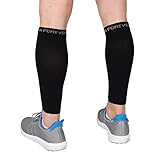
- Calf sleeve for lower leg support: The compression calf sleeve for women & men supports your calf muscle, give pain relief and relieves cramps & fatigue. The calf brace helps avoid varicose veins, shin splint, muscle pulls & torn calf muscle
Can the right shoes prevent shin splints?
In a word, no. At least not completely.
Because shin splints are usually due to a combination of training behaviors and foot strike, the right shoe to prevent shin splints does not exist.
However, choosing the best shoe for your body, foot, and gait can help decrease your chances of developing shin splints.
Add the right shoes to a methodical rise in mileage and training on mixed surfaces, and your chances of suffering from shin splints decrease dramatically.
Best Running Shoes for Shin Splints
You know that feeling when you put on a new pair of running shoes and it feels like your feet are being hugged and you’re walking on clouds?
The best running shoes for shin splints give you the support and cushioning that you need to take pressure off of the lower legs and decrease the likelihood you develop shin splints.
So what to look for in a running shoe if you have shin splints?
If you’re a heel striker, you need cushion in the heel. Hoka One One is the running shoe company that unapologetically offer maximum heel cushioning. Their big bottomed shoes are a great choice for those looking to soften the ride and decrease the chances of developing shin splints.
Hoka Bondi and Hoka Challenger are two models (available in both men’s and women’s) that are preferred by heel striking runners.
If you’re an overpronator, you want to look for a stability shoe. These shoes are designed to minimize that awkward roll from outside to inside that puts additional stress on your lower leg.
Brooks Adrenaline has been the go-to stability running shoe for a long time. And for good reason! It’s a well-made shoe that offers lots of stability without sacrificing cushion. It’s offered in both men’s and women’s models.

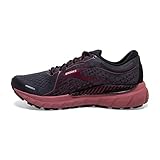
Not sure what kind of a foot or gait you have? Your local running store is your best bet for accurate insight.
While running with shin splints isn’t the best long-term idea, making sure you’re wearing the best running shoes for shin splints will set you up for the best outcome.
Make sure you use on of your massage tools for runners, to help your body recover, too. Taking good care of yourself in between runs is a critical part of marathon training.
See you at the finish line!
Karen Shopoff Rooff is an ACE certified personal trainer and health coach with more than 20 years’ experience running marathons and ultramarathons. The Marathon Finish Line blog is for informational purposes. Please seek advice from a medical practitioner before engaging in a new fitness program.