

As their fitness level increases, every runner will experience some pain and soreness. If they treat it properly, it won’t impede their long term progress.
One of the most important things to consider when starting or continuing a running program is recognizing the kind of pain that signals an injury and indicates that it is time to stop or ease off.
Every person engaging in a fitness program, and every athlete training for an event, can recognize the signals that indicate changes in their own body. What they must learn is that when they experience pain or soreness, is it time to rest, or is it time to back off and treat an injury?
This post contains affiliate links. As an Amazon Associate I earn from qualifying purchases. Purchasing via these links gives me a small commission at no cost to you. Please see my privacy policy for more information.

Most runners and athletes are not doctors and need to pay close attention to their body’s warning signs. Before beginning any fitness program, it is a good idea to consult a physician. If you experience pain and are uncertain, always seek medical advice.
Sore vs. Pain: What’s the difference?
Athletes improve performance by pushing their muscles beyond their normal threshold or stressing them. If a runner increases their pace or distance or changes their terrain, they will experience soreness, usually after 8-12 hours.
This type of soreness is usually not a sign of injury. It is symptomatic of your muscles working hard!
Running soreness is usually the result of damaged muscle fibers. While that sounds scary, with good hydration, nutrition, and proper rest these muscle fibers will repair. The great news is that this process makes your muscles stronger.
Pain, on the other hand, is a sign that something is wrong and stress on that part of the body needs to be shut down. Pain is the body’s way of communicating and signaling the athlete that the stresses are too intense!
Pain is often an indication of injury. If pain doesn’t subside or increases, medical intervention may be necessary.
“No pain, no gain” is an old, false, outdated expression. Running should be beneficial to your body and pain-free. That is the only way the athlete will make fitness gains. While you may be uncomfortable and challenged during a workout or race, that’s a different sensation from pain.

How to Treat Soreness from Running
In order for muscles to become stronger, the fibers must be damaged and allowed to recover. This is the normal process for improving performance, and every runner will experience this type of soreness as their fitness level increases. It is what the runner does with this soreness that determines whether it will progress to an injury.
Hard training days that result in soreness should be followed by rest or recovery days. Active rest through restorative yoga or pool running is often a runner’s friend, as the easy movement stimulates blood flow to the muscles. It also helps break up lactic acid that can make soreness feel more intense.
Soreness should be allowed to disappear before the muscles are stressed again. If soreness lingers longer than two days past a hard workout, that’s a good indication you need to tone down the intensity or duration.
Soreness, resulting without an increase in workload, may be an indicator that there is a biomechanical problem. Strength-training can improve muscle imbalances that lead to biomechanical problems and chronic soreness.
Extreme soreness may require recovery time. This is why any good training plan will have rest periods built in after a peak event like a race. Sore muscles that never quite recover put you at greater risk of injury.

- Used Book in Good Condition
What is Delayed Onset Muscle Soreness?
Experienced runners are familiar with the situation where you can have a hard workout and feel tired but fabulous at the end. You may even wake up the next morning feeling super strong. But by the evening of the following day, your legs feel heavy as lead and really sore.
This is Delayed Onset Muscle Soreness (DOMS).
Studies indicate that DOMS happens most often at the beginning of a training cycle for runners. It may be because you are just getting going again and ramping up mileage. The problem with DOMS is that it usually causes such intense soreness that runners change their gait– a response that can lead to injury.
If you experience DOMS after a tough workout, try one of my strategies to speed up recovery from running and make sure you’ve got some self-massage tools to improve blood flow.

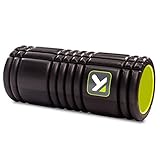

Is it ever okay to run through pain?
Pain is an indicator that something is wrong! Running with pain can cause further and severe injury. If pain is intense or ongoing, consult a physician.
If the episode is acute or short term, and stopping for a few minutes causes it to disappear, it may be okay to continue. If the pain returns, stop immediately.
Pain is the brain’s way of telling you to stop. Not heeding your body’s warning signs can be dangerous.
Sore vs Pain Grey Area
Certain types of pain and soreness blend together, and common sense and possibly a medical opinion may be necessary to determine the treatment necessary.
Blisters usually heal on their own, but left unattended can result in other problems. Learn how to know if you should pop a blister or wait it out.
Do you have irritation on the back of the heel that feels sore when you’re wearing shoes? This condition is called Haglund’s deformity (or “pump bumps”), and if they are left unattended can become painful and severe. A podiatrist appointment would be a good idea!
Foot conditions like calluses and bunions are usually a sign of underlying problems and, although experienced as soreness, may require further attention. Getting a podiatrist’s opinion is smart. They can help you ease pain from the callus or bunion as well as find the underlying cause.
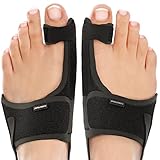


Running when sore- yes! Running with pain- no!
When engaging in any fitness program, common sense should always prevail, and the athlete should exercise caution. If you are sore, rest or cross-train until the soreness disappears.
If your body is painful, something is wrong. Stop before further damage is done. If soreness lingers or pain persists, consult a physician. A small break in training now can prevent an injury and a long layoff later.
Running in pain is a bad idea. A little restraint now will provide huge rewards in the future!
Karen Shopoff Rooff is an ACE certified personal trainer and health coach with more than 20 years’ experience running marathons and ultramarathons. The Marathon Finish Line blog is for informational purposes. Please seek advice from a medical practitioner before engaging in a new fitness program.